- 121 King St. Melbourne VIC 3000, Australia
- (+256) 3254 2598
- example@Wellnez.com
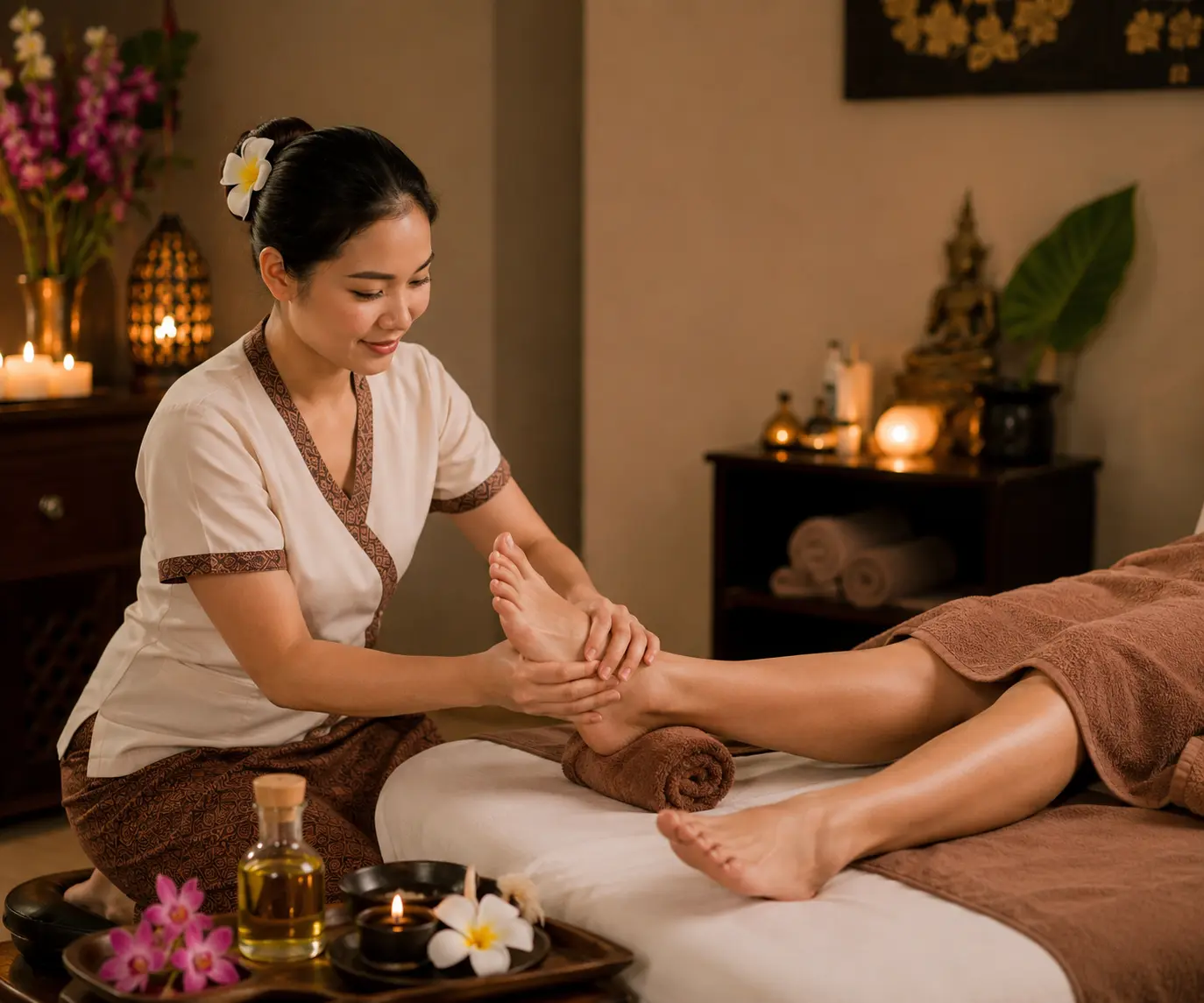

Another popular Relaxation massage offered at our Dehradun spa is the Foot massage. As the name suggests, these massages work towards relaxing the muscles and tissues in the feet.
Foot massage is a powerful and time-tested therapy that promotes relaxation, relieves pain, and enhances overall well-being. Since our feet support the entire body throughout the day, they often experience stress, fatigue, and tension. A proper foot massage not only soothes tired feet but also positively impacts the whole body by improving circulation and reducing stress. This guide covers the essential aspects of foot massage, including its benefits, techniques, and types, helping you understand why it should be a regular part of your self-care routine.
A foot massage is a therapeutic practice that involves applying pressure, rubbing, and manipulating the muscles, joints, and soft tissues of the feet. It can be performed using hands, fingers, or massage tools, depending on the technique and purpose.
Some forms of foot massage also focus on pressure points that are believed to connect with different organs in the body, helping to promote overall health and balance.
Foot massage helps reduce discomfort caused by prolonged standing, walking, or tight footwear. It relaxes the muscles and eases soreness, providing immediate relief.
Massage stimulates blood flow in the feet, ensuring better oxygen and nutrient supply. This supports faster healing and maintains healthy tissues.
A relaxing foot massage calms the nervous system, helping to lower stress levels. It creates a soothing effect that promotes mental relaxation.
By relaxing the body and mind, foot massage helps improve sleep quality. It is especially beneficial when done before bedtime.
Improved circulation and reduced fatigue help restore energy. A good foot massage leaves you feeling refreshed and revitalized.
Reflexology principles suggest that foot pressure points correspond to internal organs. Stimulating these points can improve overall body function.
Foot massage helps move excess fluid and improves circulation, reducing swelling caused by long hours of sitting or standing.
Massage releases endorphins, which are natural mood enhancers. This helps reduce stress and promotes a positive emotional state.
Regular massage keeps foot muscles and joints flexible, reducing stiffness and improving movement.
By reducing tension and stress, foot massage can indirectly help relieve headaches and improve overall comfort.
Understanding the causes of foot pain highlights the importance of regular massage:
This type focuses on gentle strokes and light pressure to calm the body and mind. It is ideal for relieving stress and providing overall relaxation after a long day.
Deep tissue massage uses firm pressure to target deeper layers of muscles and tissues. It is beneficial for chronic pain, stiffness, and long-term muscle tension.
Reflexology involves applying pressure to specific points on the feet that correspond to different organs. It aims to improve overall body balance and internal health.
This technique combines stretching and pressure movements to improve flexibility and energy flow. It provides both relaxation and physical rejuvenation.
This massage uses essential oils along with gentle techniques to enhance relaxation. It also provides additional therapeutic benefits such as stress relief and mood improvement.
Gentle strokes are applied to warm up the muscles and prepare the feet for deeper massage. It helps relax the surface tissues.
The muscles are pressed and rolled using fingers and thumbs. This technique helps release tension and improves circulation.
The thumbs move in a walking motion across the foot to stimulate pressure points. It is commonly used in reflexology.
Small circular movements target specific tight areas and help relieve muscle stiffness.
Firm pressure is applied to specific points on the feet to promote overall body relaxation and healing.
While neck massage is generally safe, certain precautions should be followed:
Foot massage is a simple yet highly effective therapy that supports both physical and mental well-being. It helps relieve pain, reduce stress, improve circulation, and promote better sleep. Beyond relaxation, it plays an important role in maintaining overall body health.
Incorporating foot massage into your routine can significantly improve your comfort and quality of life. Whether performed at home or by a professional, it is a valuable self-care practice that leads to a healthier, more balanced lifestyle.